Justin Spector 02/13/2026
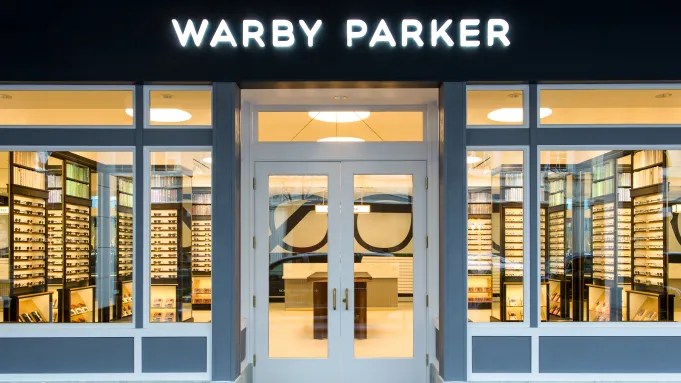
Purchasing Eyewear prior to Warby Parker
There was a time not very long ago when purchasing eyeglasses was a process with not many options. The Optometrist would perform a patient’s eye exam and if warranted, prescribe lenses for the consumer. Many Optometrist offices contained in store shops where consumers could choose and purchase the eyewear they were prescribed. You could also take the prescription and go somewhere else hoping to find a cheaper price. Purchasing eyeglasses was absolutely not something most consumers looked forward to doing and prices were extremely high, even when accounting what insurance would cover.
Warby Parker is established to combat the status quo
In 2010, four students at the Wharton School of the University of Pennsylvania were tired of the status quo of purchasing eyewear. Wait times for appointments were long, prices were high, and the overall showroom model was not appealing to them, and as they correctly determined, many other consumers as well. With a small $2,500.00 investment, Warby Parker was established. The business model is that frames are produced at one location and after being order are mailed directly to the consumers for substantially lower prices.
Combating the Status Quo Bias
Disrupting an industry is not an easy task, and there is more to it than just successfully creating a company. Consumers are much more comfortable with the status quo. They become used to a way of doing things and continue to do this with not much thought as to how it could be simpler. It is literally how many people just say, “That’s just the way it is”, because it has been model of purchasing eyewear for so many years. Consumers are also hesitant to try a company with lower prices because there is a perception that if the prices are less, they must not be as high of quality.
The Social Media Strategy
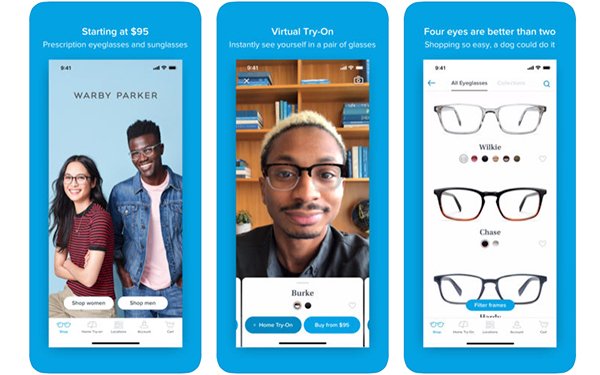
Warby Parker successfully learned how to use social media to encourage consumers to give them a chance. By having constant interaction with customers and potential customers, as well as the “Free Try-On Campaign” which allowed consumers to try on the frames of their choice for no charge. Beyond this, “Warby Parker has included marketing for social good in their business strategy. By teaming up with the company VisionSpring, the company is able to provide a pair of eyeglasses for a person in need for every pair of Warby Parker glasses that a consumer purchases. To date, Warby Parker has given away 500,000 pairs of glasses.”
Mahoney, L., M. and Tang Tang. Strategic Social Media: From Marketing to Social Change. Available from: VitalSource Bookshelf, Wiley Global Research (STMS), 2016.
A Model for Other Start Ups
Warby Parker used social media to disrupt the eyewear industry which only a few years prior had seemed an unfathomable task. Consumers were tired of the linear model of purchasing frames but were just assuming this was how it was and always would be. Social media made it possible to become a real disrupter in the industry by constantly interacting with consumers on, posting videos on eyewear, which was beneficial to anyone wearing eyewear, and by offering home try-on’s free of charge prior to choosing the frame which the consumer preferred and purchased. The social media presence and interaction allowed consumers who were at first hesitant to try a new product to get to know the company and its goals for consumers which led to increasing numbers of consumers giving it a chance. Word of mouth also helped boost the company as happy customers would recommend the company to others. Social media and a discontent for the status quo of eyewear industry created a perfect environment for Warby Parker to get a foothold in the industry and change the industry by giving consumers more options. This is a wonderful example of how social media can shake things up in industries which seem impenetrable but given the right strategy and social media activity can disrupt the status quo.


 Justin's Marketing Blog
Leave a reply to Bukkie Cancel reply